A Month-by-Month Aspen Tree Care Checklist for UK Gardeners
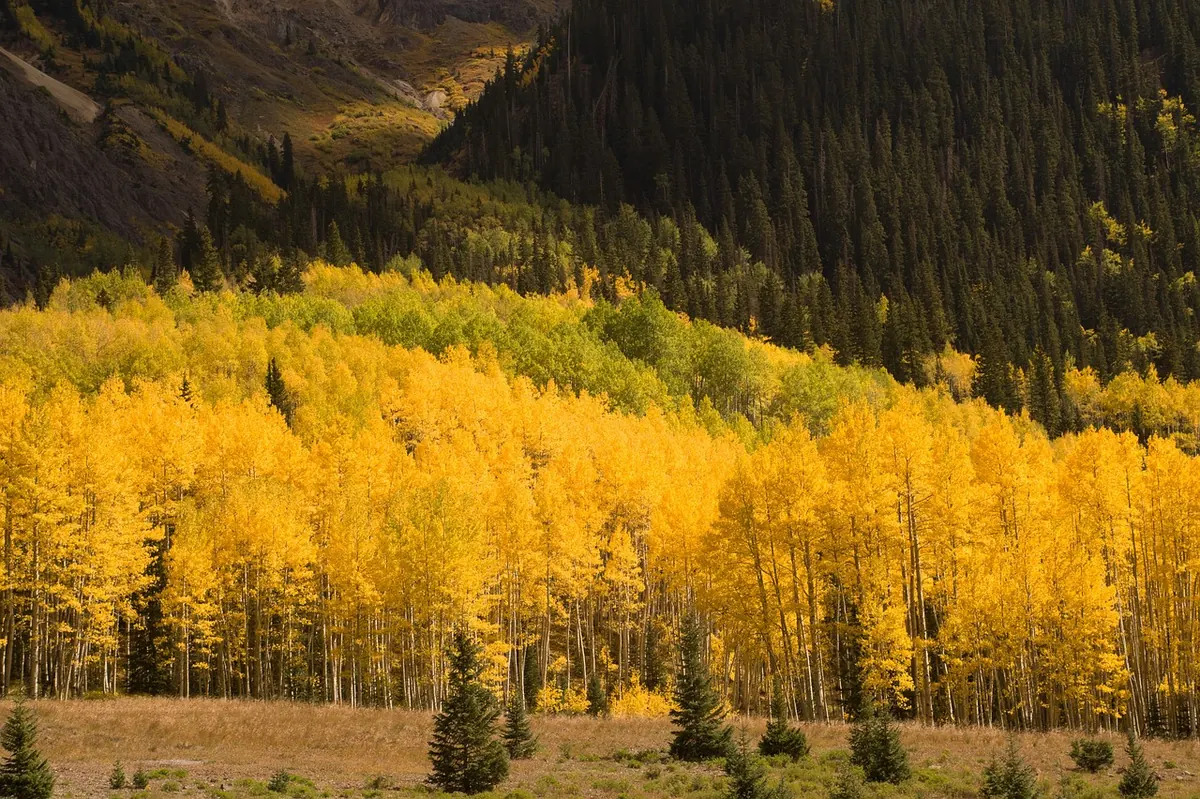
An aspen is not a tree you plant and forget. Give it room, keep an eye on its roots, and it repays you with leaves that shiver at the faintest breeze — a sound no other British tree quite matches. What follows is a working year with an aspen: what to do, when to do it, and what to leave alone. The timings assume a typical UK garden, so in the far north or on an exposed coast, shift things by a fortnight or so.
Winter (December to February): Structure and Inspection
The tree is dormant, the garden is quiet, and the low light is good enough to see the shape of things. Walk round your aspen and look for dead, damaged or crossing branches. Anything dead can come out now.
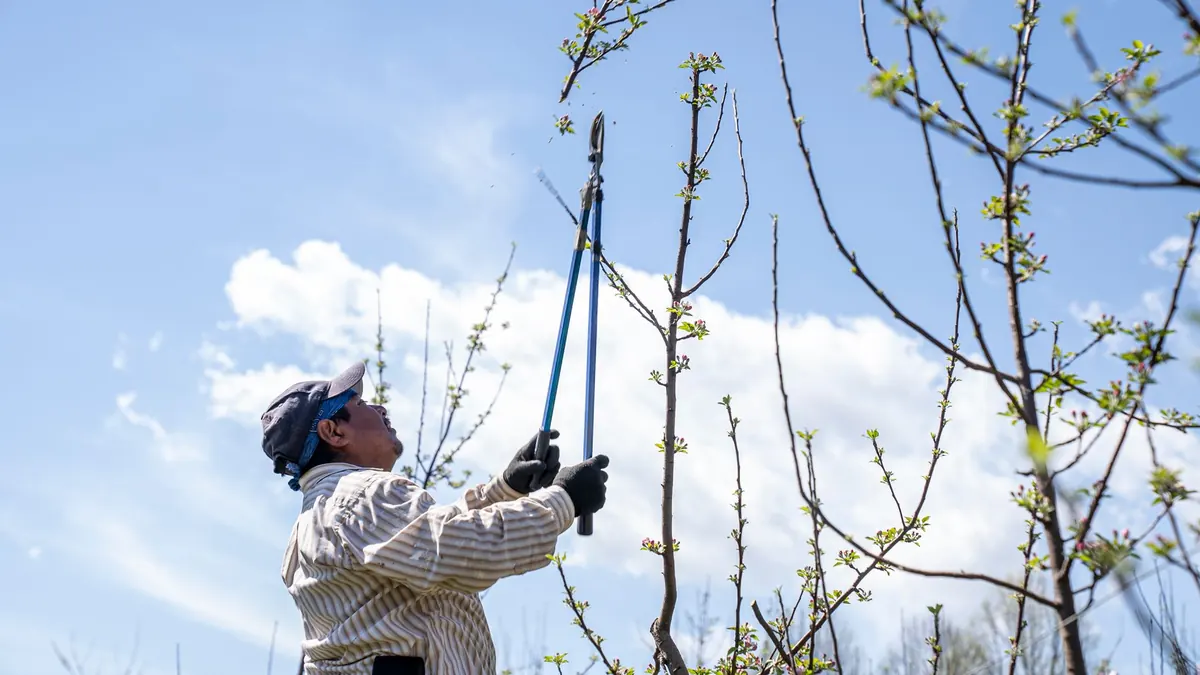
Leave live pruning alone if you can. Poplars and aspens bleed sap heavily in late winter and early spring, and a cut made in February can weep for weeks. It is rarely fatal, but it is messy and it draws attention to the wound. Save structural work for late summer, when sap flow slows.
Check ties and stakes on young trees while you are out there. A tie should be firm but not tight — you want to slide a finger between tie and trunk. Look too for sunken, dark patches of bark, which can indicate canker. If you are unsure what you are looking at, photograph it and ask a qualified arboriculturist before cutting.
Early Spring (March to April): Mulch and Water
This is the month for mulching. A layer of 5–7cm of composted bark, leafmould or well-rotted garden compost does three jobs at once: it holds moisture, suppresses weeds and keeps the soil cool over the roots.
Keep the mulch clear of the trunk, leaving a 5cm collar of bare soil. Pile it against the bark and you are inviting rot.
Aspen has shallow, wide-spreading roots and competes badly with grass. Clear a metre-wide circle around young trees and keep it clear with a hoe rather than a fork — you do not want to slice through surface roots. If March and April turn dry, water new plantings thoroughly once a week; a slow soak of 10–15 litres beats ten light sprinklings.
Late Spring (May to June): Sucker Patrol
Aspen spreads by root suckers, sending up shoots from the roots that can appear metres from the trunk — in borders, in lawn, through gravel. This is the tree's nature, not a fault, and the only realistic approach is regular, patient removal. June is when the first flush usually makes itself obvious.
How to deal with suckers
- Mow or strim them off in lawn; repeated cutting exhausts them.
- In borders, cut them at or just below soil level with secateurs or a spade.
- Do not yank large suckers out — tearing the root invites disease.
- Never paint suckers with a systemic weedkiller. It can travel back to the parent tree and damage or kill it.
- If they appear through paving, lift the slabs, cut the offending root cleanly and re-lay on a barrier.
Then look up. Check leaf undersides for aphids, and the leaf surface for raised galls and mines. Many are harmless and support insects that feed the birds.
Identify before you spray. Aspen hosts some genuinely rare invertebrates, including the aspen hoverfly and the aspen leaf beetle, so if you find something unfamiliar, photograph it and check with a local recording group or county recorder first.
Summer (July to August): Drought, Rust and Restraint
Established aspens on decent soil usually look after themselves through summer. Young trees do not. During a two-week dry spell, water deeply once or twice a week in the evening and let it soak in slowly.
Late summer often brings rust: orange or yellow pustules on the leaf undersides, sometimes followed by early leaf fall. It looks alarming, but a healthy tree copes. Raking up and binning the fallen leaves reduces the spores that carry over to next year.
This is also a good month to remove storm-damaged or rubbing branches, but keep it light. Heavy pruning in hot, dry weather puts a tree under needless strain.
Early Autumn (September to October): The Pruning Window
If you have structural pruning to do, this is the window. Sap flow has slowed, the tree is not pushing new growth, and wounds have weeks of mild weather in which to begin sealing.
Work in a simple order: dead wood first, then crossing or rubbing branches, then anything growing back into the centre of the canopy. Take out no more than a quarter of the live canopy in any one year. Use sharp tools and make clean cuts just outside the branch collar — the slight swelling where branch meets trunk. No flush cuts, and no wound paint.
Late Autumn (November): Plant and Plan
Bare-root aspens go in from November to March, while the tree is dormant and the soil is neither frozen nor waterlogged. Choose a spot with sun for most of the day and soil that stays reasonably moist but drains freely.
Before you dig, decide about suckers. If the tree will sit near a lawn, a patio or a neighbour's boundary, fit a root barrier at planting time: a stout, rot-resistant sheet set at least 60cm deep, angled slightly outwards, with its top edge just above soil level. It will not stop suckers entirely, but it makes them manageable. After planting, water well, mulch as above, and stake only on exposed sites. Check ties again after the winter gales.
Keeping the Year on Track
If you remember nothing else, remember these five points:
- Mulch every spring, and keep it off the trunk.
- Water young aspens deeply through dry spells for their first three summers.
- Deal with suckers little and often — never with weedkiller.
- Prune in late summer or early autumn, and only lightly.
- Identify before you treat; a gall or a rust pustule is rarely an emergency.
An aspen asks for space and a little attention to its roots. Give it those, and it will earn its place as one of the most beautiful trees in the garden.
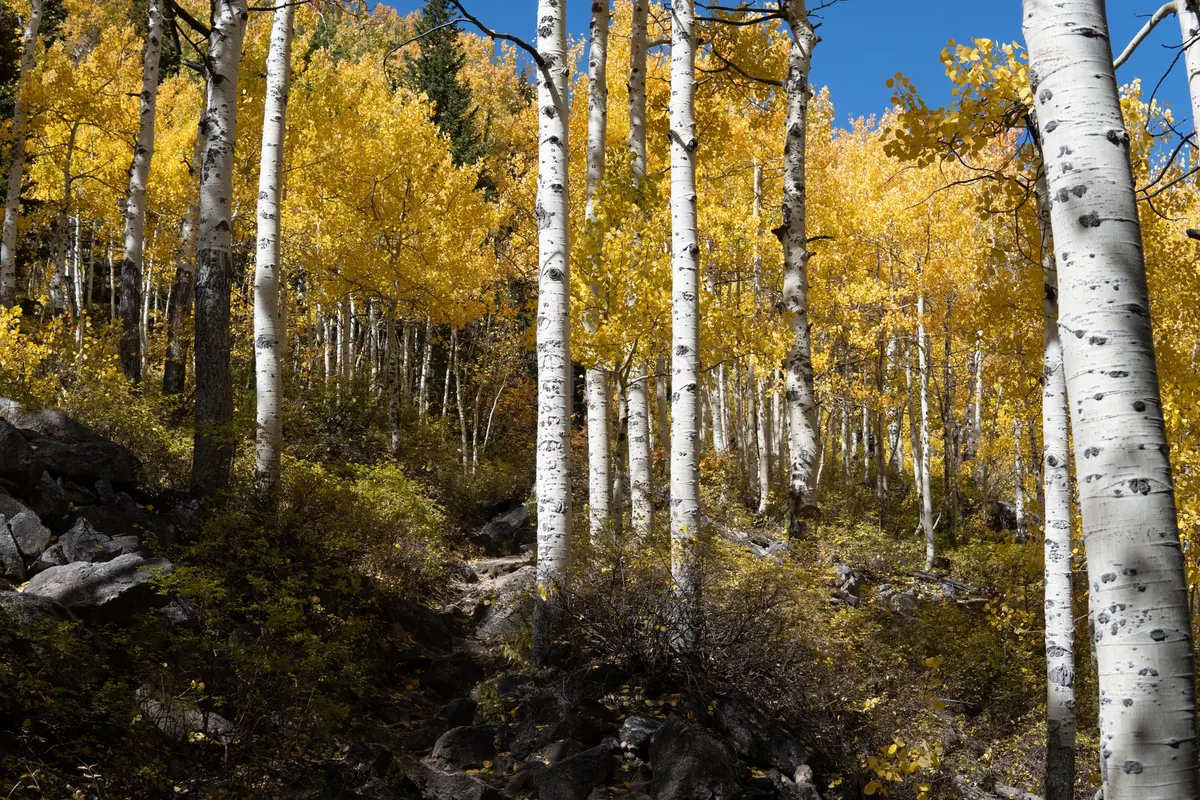
Photo: Mark Stebnicki / Pexels
Aspen Leaf Miner and Other Common Pests: A UK Troubleshooting Guide
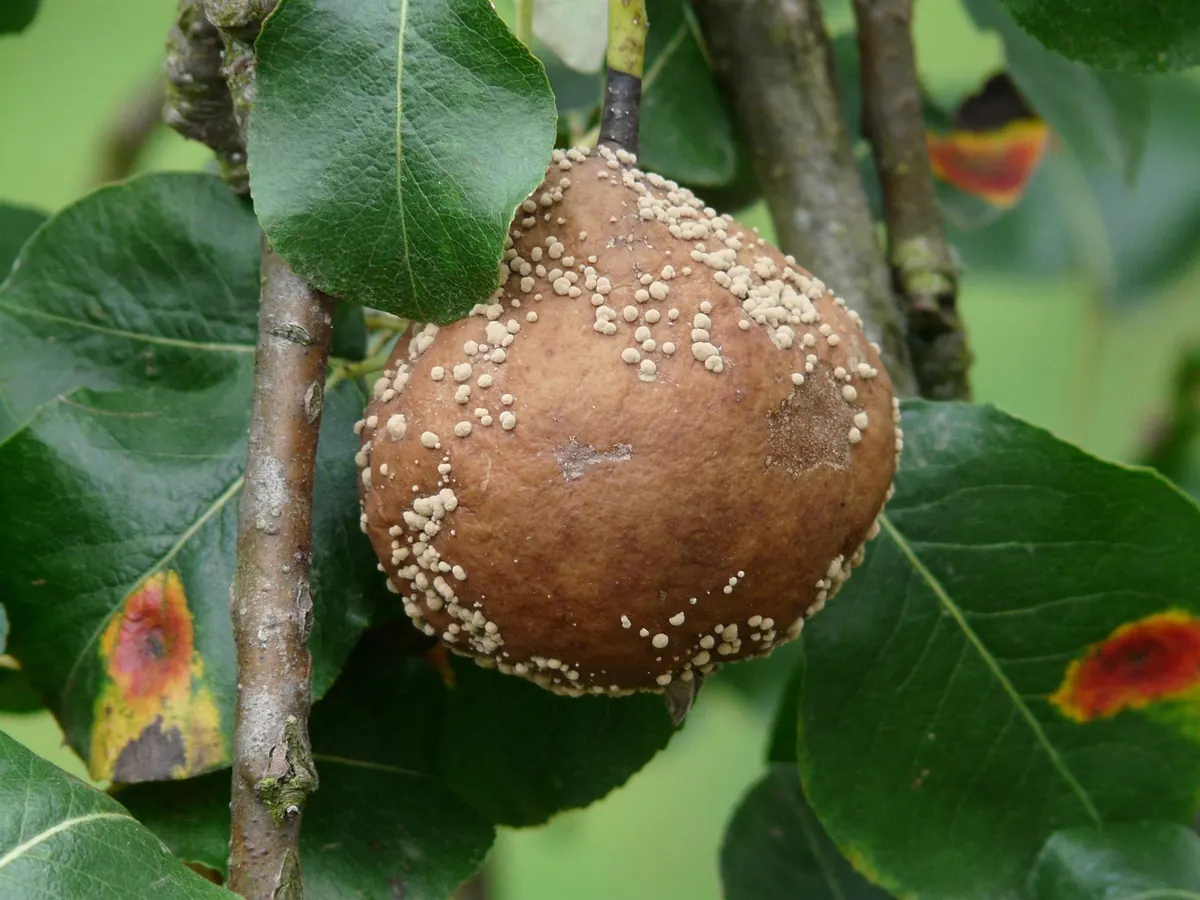
How to read the damage on aspen leaves and bark, from serpentine leaf-miner trails to gall mites and rust,...
Designing with Aspen: Landscaping Ideas for Small and Large UK Gardens
From flutter-leafed specimen trees to coppiced multi-stem features, here's how to use native aspen in UK...
About Us