Aspen Trees for Wildlife: A Conservation Guide for UK Woodlands
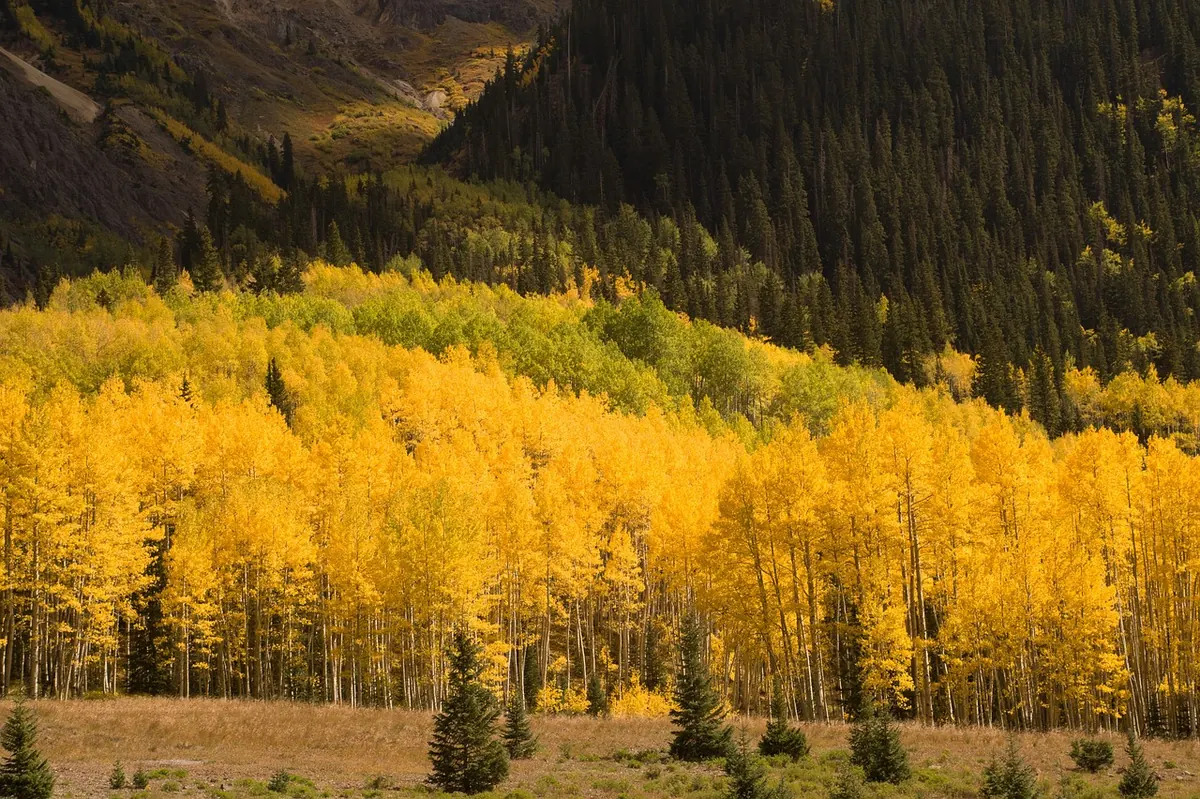
Aspen has a reputation problem. It is the tree that looks half dead in February, shivers in the faintest breeze, and turns up in odd corners of Scotland, the Welsh borders and the Pennines without ever appearing to spread. Look closer and you find one of the most useful trees you can put into a British wood — for insects, for fungi, for lichens, and for the birds and bats that feed on all three. It is also easy to get wrong, because aspen grows in a way that almost nothing else in our woods does.
A tree that breaks the rules
Aspen (Populus tremula) is a pioneer species: it arrives early on disturbed ground, grows fast, and rarely lives long by oak standards. Two habits shape everything about how you manage it.
First, it is dioecious. Male and female catkins sit on separate trees, so a stand that happens to be all one sex will never set seed. Aspen seed is also short-lived and needs bare, damp ground to establish. The result is that most British aspen has spread not by seed but by root suckers, shooting up from the roots of the parent tree. A whole grove can be a single organism — one clone, one sex, one age.
Second, it suckers enthusiastically, but only when grazing allows. Deer, sheep, rabbits and even cattle will browse young shoots to the ground. Across much of the UK, veteran aspen stands are quietly ageing in place with no young growth coming through. Any conservation plan for aspen has to start there.
Food for insects, from catkin to leaf
Aspen catkins open early, when pollen and nectar are scarce, and they are worked hard by bees and hoverflies. Through summer the foliage feeds a long list of moth caterpillars, including the poplar hawk-moth, the pebble prominent and the puss moth, along with leaf beetles, aphids and sawflies. The honeydew produced by aspen aphids then feeds wasps, hoverflies and ants in turn.
Aspen is also the food plant of some genuinely scarce species. The dark-bordered beauty moth, one of our rarest, depends on young aspen regrowth in its Scottish strongholds. That is a neat illustration of why suckering matters: without browsing-free young growth, you lose the habitat stage that rare insects need.
Deadwood and the specialists that live in it
Aspen wood is soft and rots readily, often while the tree is still standing. Heartwood decay hollows trunks and limbs; wet rot develops in wounds, bark splits and old sap runs. This is not decay in the tidy sense — it is habitat.
The best-known example is the aspen hoverfly, confined in Britain to a small number of Highland sites. Its larvae live in rotting sap beneath aspen bark, and the insect needs large, over-mature trees and fallen trunks in damp, shaded conditions. Sites lose it when that material is cleared away or when stands are felled before they get old. A bracket fungus known as the aspen bracket also works on living aspen heartwood, opening the way for beetles, flies and fungi that follow decay.
The practical message is uncomfortable for anyone who likes a clean wood: the value of an aspen stand peaks when it is falling apart. Fallen trunks, standing hulks, dead limbs still attached — leave them.
Birds, bats and mammals
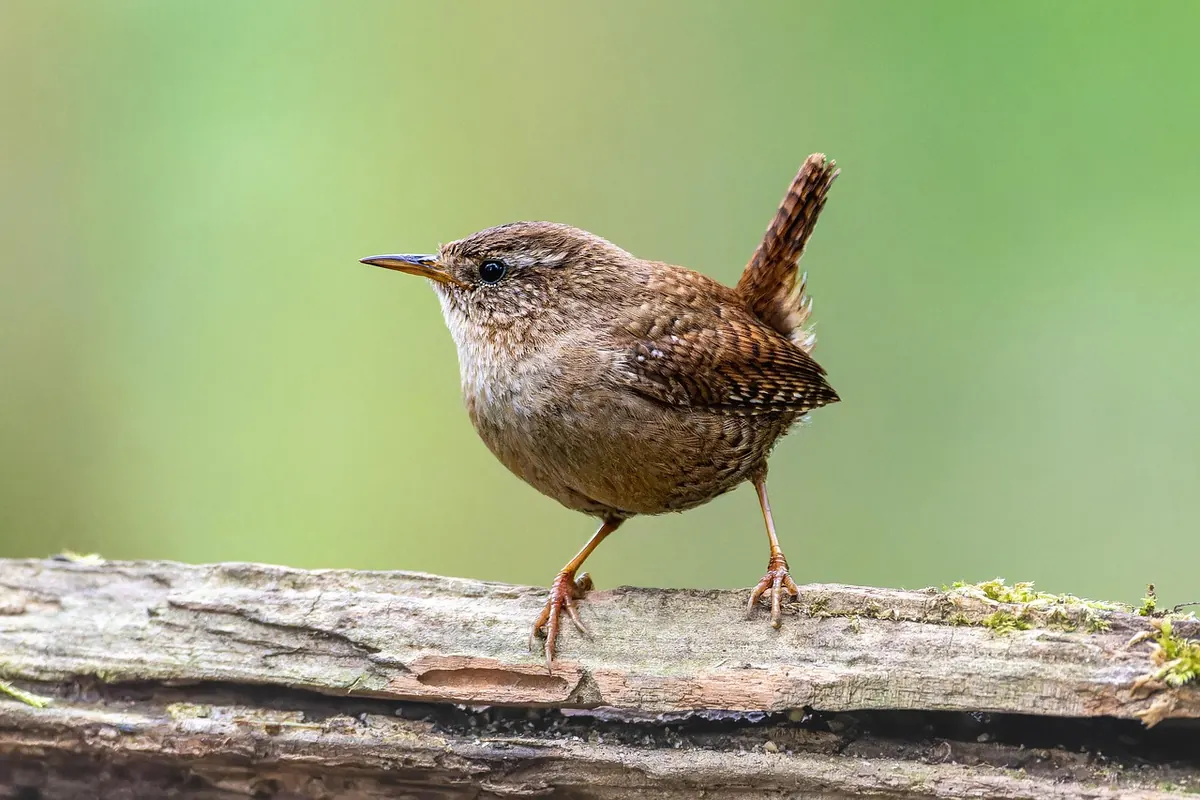
Insect-rich foliage and soft deadwood bring in birds. Woodpeckers work decaying trunks for larvae; tits, redstarts and other hole-nesters use rot cavities and splits as the trees age. Bats roost in similar features, and mature aspen with loose bark or hollow limbs can be valuable in woods where oak and ash provide most of the roosting habitat.
Where beavers are present, aspen is a favoured food and building material, and the two species have a long shared history. Aspen responds to felling by suckering, so beaver activity and aspen regeneration can go together — but only if browsing pressure across the wider site is manageable.
Bark, lichens and mosses
Aspen bark is smooth, pale, and holds moisture well. It supports a lichen and bryophyte community that differs from the oak woods around it, with species that struggle on drier, more acidic bark. Old trunks develop rain tracks and seepage zones that suit particular mosses and liverworts. Because aspen is comparatively short-lived, you need a spread of age classes on a site to keep that bark habitat present continuously.
Putting aspen into a planting plan
If you are adding aspen to a conservation scheme, aim for groups rather than specimens, and think in decades rather than seasons.
- Source local stock. Ask a nursery for plants raised from cuttings of local provenance, and where possible from several different stands to widen genetic diversity.
- Plant both sexes. If you want catkins, seed and the insects that use them, make sure your plants include male and female trees. Check with the supplier, because it is not obvious by eye.
- Choose the right ground. Aspen tolerates a range of soils, including heavy clays, but does best on moist, freely drained sites with plenty of light. Avoid deep shade under established canopy.
- Protect the suckers, not just the trees. Rabbit guards and adequate deer fencing are the difference between a planting that spreads and one that stalls. Monitor browsing each spring and adjust.
- Connect to existing stands. Aspen already on site, even a few scrappy stems, is worth fencing off to let it sucker freely.
- Plan for old age. Decide now which stems will be left to grow old, hollow and fall. Mark them, and put them in your management notes so they survive a change of staff or contractor.
If your site is in an area with felling controls, or if protected species such as bats or rare invertebrates may be affected, take advice from your national forestry authority or a local wildlife trust before work starts.
Start now, plan for decades
The first job costs nothing: walk your wood and map where aspen already grows. Note whether it is suckering, whether the shoots are being browsed, and whether any stems are old, hollow or leaning. That map tells you where to fence, where to plant and where to do nothing at all.
Then pick one area and commit to it. Fence a suckering edge against deer. Plant a small block of mixed-sex, local-provenance stock on damp ground. Leave the decaying trees alone, even when they look untidy. Aspen rewards patience more than intervention, and a stand left to grow old with its deadwood intact will be supporting wildlife long after the planting season is forgotten.
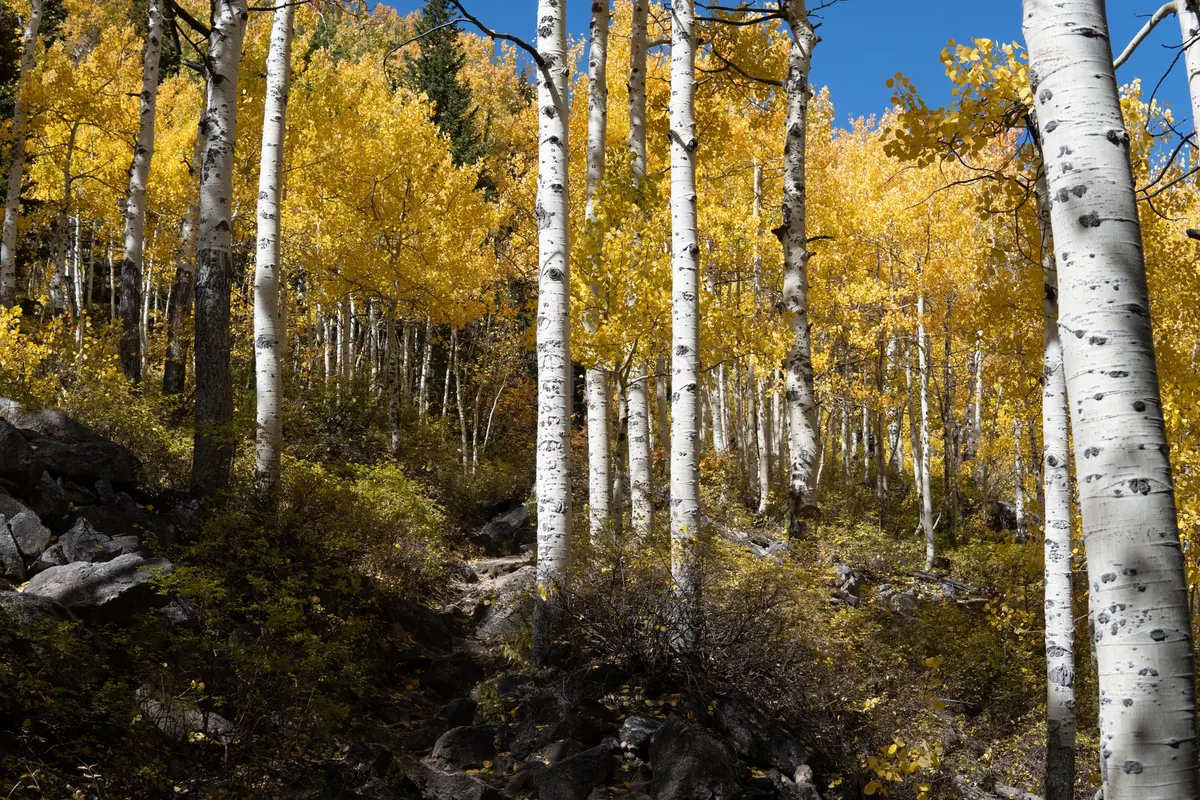
Photo: Gruendercoach / Pixabay
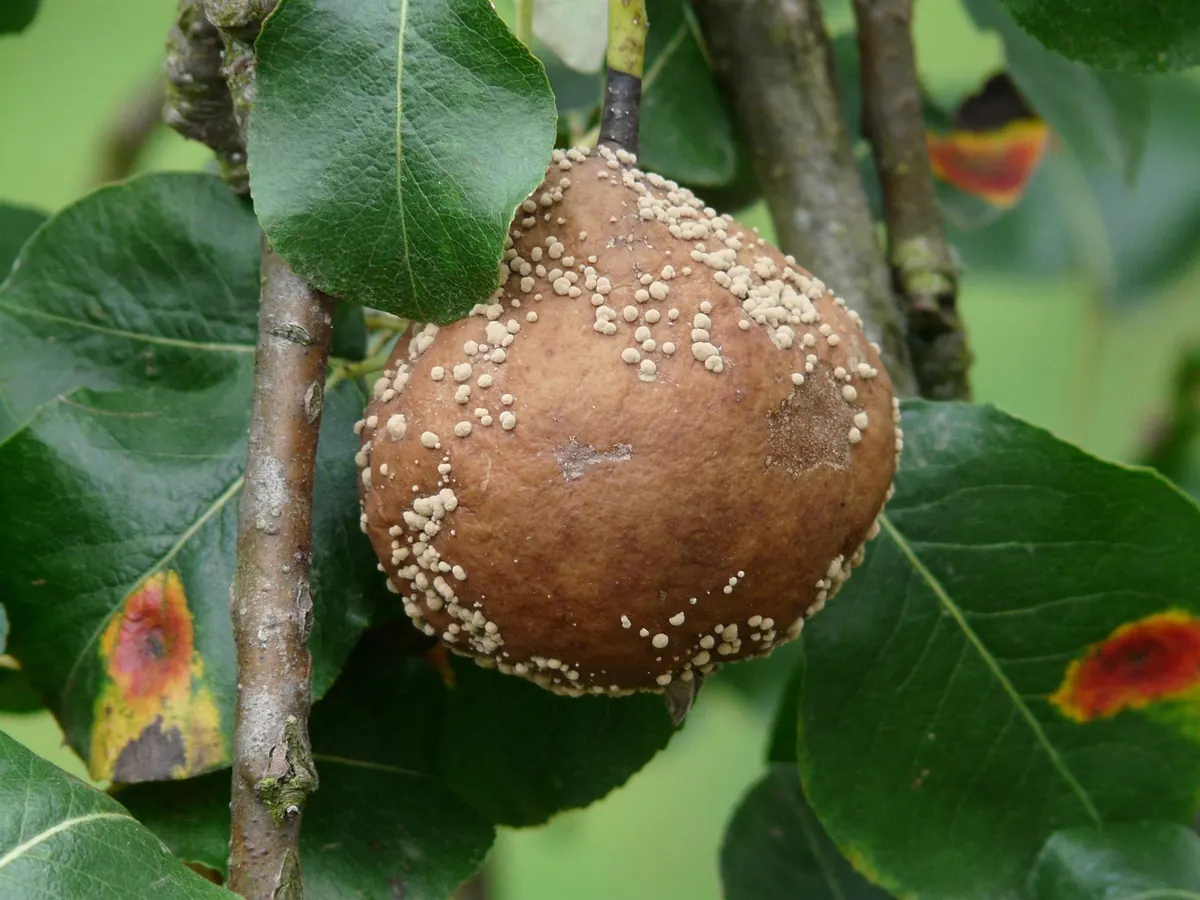
Aspen Leaf Miner and Other Common Pests: A UK Troubleshooting Guide
How to read the damage on aspen leaves and bark, from serpentine leaf-miner trails to gall mites and rust,...
Designing with Aspen: Landscaping Ideas for Small and Large UK Gardens
From flutter-leafed specimen trees to coppiced multi-stem features, here's how to use native aspen in UK...
About Us